

Does location matter for a data center? The real question isn’t whether it matters. It’s whether you’re thinking about location the right way.
Most companies still approach this decision like they’re buying office space. Find a spot that checks the boxes, negotiate the best rate, sign the lease. Done.
Bottom Line Up Front: While most businesses focus on obvious data center location factors like latency and disaster risk, companies winning in today’s AI-driven economy understand that data center location strategy creates competitive infrastructure ecosystems. The smart money understands something most businesses miss: location drives innovation velocity, slashes long-term costs, and keeps you ahead of shifting regulations.
Ask any CFO about data center location and they’ll start with latency numbers. Ask any CTO and you’ll hear about power redundancy. Both answers matter, but they’re missing the bigger picture.
Why the Old Data Center Playbook Doesn’t Work Anymore
Five years ago, you could get away with the standard location checklist. Close to users? Yes. Reliable power grid? Yes. Reasonable cooling costs? Yes. Low earthquake risk? Yes. This tick-box thinking served businesses well when data centers primarily stored files and ran basic applications.
Today’s reality demands strategic evolution. Data center locations now function as innovation catalysts, regulatory positioning tools, and talent magnets. Companies that get this right pull ahead. The ones still thinking like it’s 2015? They spend years trying to catch up.
A bad location decision costs you. We’re talking about a $2.8 trillion market where one wrong move doesn’t just hit your budget. It ripples through your entire digital strategy for years. A poor location choice today constrains AI deployment tomorrow, limits regulatory compliance options next year, and restricts scaling possibilities for the next decade.
The Innovation Proximity Effect
“Data centers near me” searches reveal something interesting. Businesses increasingly prioritize proximity to innovation ecosystems, not just customer bases. The Western corridor advantage becomes clear when examining this phenomenon.
Silicon Valley’s spillover effects reach far beyond California’s borders. Innovation clusters in Utah, Colorado, Nevada, and Arizona benefit from this proximity. Set up shop in these areas and you’re getting faster access to new tech, easier connections with other innovative companies, and a talent pool that actually wants to live there.
That’s where Novva comes in. Our facilities across the Western markets put you right in the middle of these innovation clusters. This proximity reduces deployment time for cutting-edge technologies and creates networking opportunities that purely geographic distance calculations miss entirely.

Regulatory Arbitrage and Future-Proofing Compliance
The hidden geography of data governance shapes competitive positioning more than most organizations realize. State-level privacy laws, energy regulations, and sustainability requirements vary dramatically across regions. Western states consistently lead regulatory frameworks around green energy standards and emerging AI ethics requirements.
Strategic positioning means staying ahead of regulatory curves rather than scrambling to achieve compliance. Organizations operating within progressive regulatory environments often influence policy development and gain implementation advantages over competitors playing catch-up.
This regulatory leadership translates into operational advantages. Early adoption of sustainable practices, privacy-forward policies, and AI governance frameworks becomes competitive differentiation rather than costly compliance burden.
The Talent Pipeline Convergence Advantage
Quality data center operations depend on specialized talent. This talent increasingly concentrates in specific geographic markets where technical expertise, career growth opportunities, and lifestyle preferences align.
The mountain West region offers unique advantages in this talent equation. Lower cost of living combined with emerging tech scenes and lifestyle benefits creates retention rates that East and West Coast markets struggle to match. Organizations benefit from reduced turnover costs, deeper institutional knowledge, and more stable operational teams.
Technical talent also drives innovation adoption. Teams with access to broader technology communities implement new solutions faster and more effectively than isolated operations.
Energy Independence and Long-Term Price Stability
Energy considerations extend far beyond simple renewable access. Market structure, pricing predictability, and grid reliability create competitive advantages that compound over time.
Western markets offer energy source diversification that reduces vulnerability to price volatility. Multiple grid interconnects provide redundancy that improves reliability while creating leverage in pricing negotiations. This energy independence becomes increasingly valuable as sustainability requirements tighten and carbon pricing impacts operational costs.
Forward-thinking organizations recognize energy strategy as competitive positioning. Sustainable operations attract clients, reduce regulatory risk, and provide cost predictability that supports long-term planning.
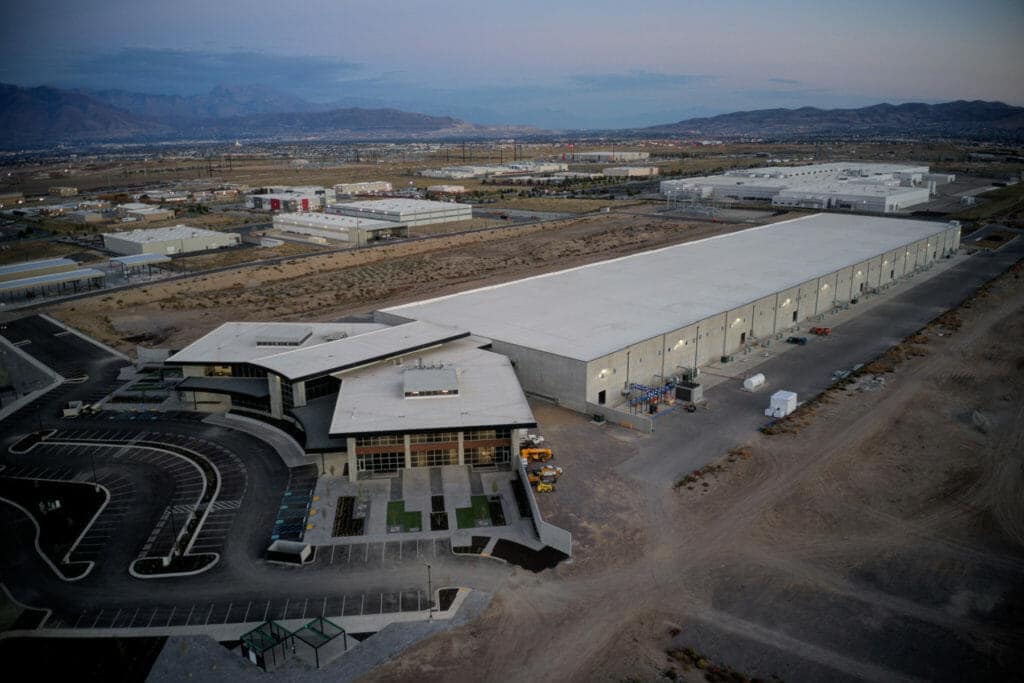
Scalability and Ecosystem Maturity
Infrastructure readiness varies dramatically between markets. Existing fiber density, peering point access, and construction supply chain maturity determine expansion velocity and cost efficiency.
Mature markets provide seamless scaling opportunities. Established permitting processes, experienced contractor networks, and supportive economic development policies accelerate growth timelines. This lets organizations focus resources on business development rather than infrastructure development challenges.
Community and state alignment around data infrastructure growth creates partnership opportunities that enhance operational efficiency. These relationships prove invaluable when navigating complex expansion projects or addressing operational challenges.
Modern Strategic Decision Frameworks
Does location matter for a data center? Absolutely. But effective evaluation requires moving beyond simple proximity calculations to comprehensive strategic analysis.
Total economic impact modeling must include opportunity costs and flexibility premiums over 5-10 year horizons. Risk-adjusted performance mapping considers multiple variables beyond natural disasters. Future-state alignment testing evaluates technology evolution requirements and business model flexibility needs.
This comprehensive approach reveals location decisions as business strategy choices. The goal shifts from minimizing immediate costs to maximizing long-term competitive positioning.
Implementation and Partnership Strategy
Effective location strategy requires partners who understand these strategic implications. Working with data center providers positioned within innovation ecosystems, regulatory leadership markets, and talent pipeline convergence zones amplifies location advantages.
Key decision points balance proximity benefits against cost optimization, weight future flexibility versus current performance, and build adaptation capacity for changing requirements.
Building Anti-Fragile Location Strategies
The future of data center location strategy embraces multiple location portfolios that strengthen under stress. Edge computing density requirements, quantum computing infrastructure prerequisites, and climate change impacts on traditional markets reshape location calculus.
Anti-fragile strategies improve with changing conditions rather than merely surviving them. We’ve worked with hundreds of companies making this decision. The ones who think short-term usually regret it within two years.
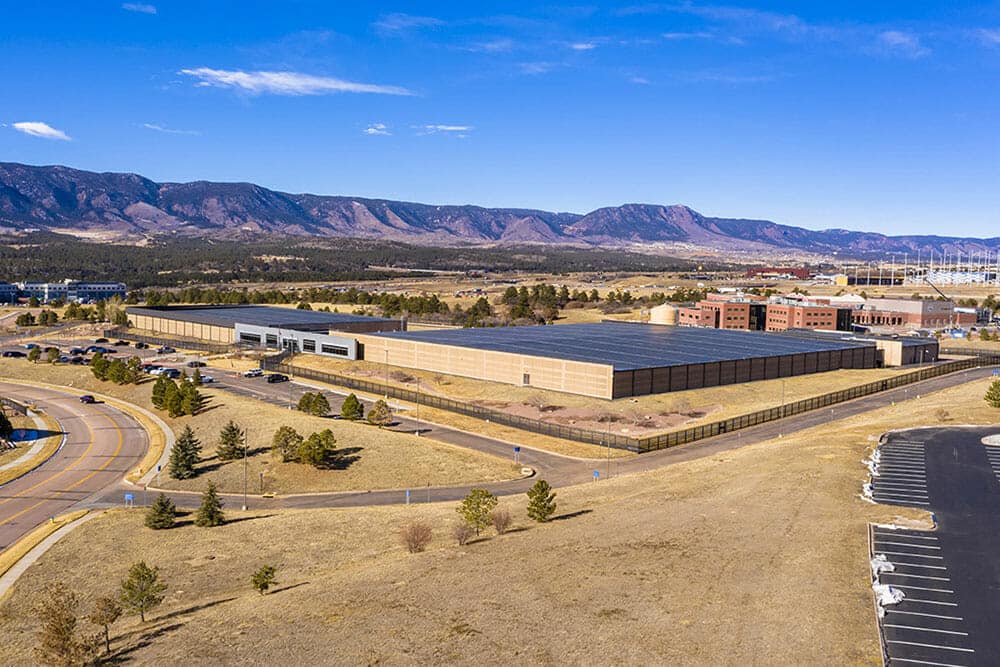
In the Western market, you’re plugging into innovation hubs, getting ahead of regulation changes, tapping into serious technical talent, and running on some of the cleanest power grids in the country. It’s infrastructure that works for your business, not against it.
Final Thoughts: Why Your Location Choice Matters More Than You Think
The businesses thriving in the next decade won’t just have good data center locations. They’ll have location strategies creating compounding advantages through innovation ecosystem access, regulatory positioning, talent pipeline convergence, and energy independence.
Strategic location decisions separate infrastructure costs from competitive advantages. In Novva’s Western corridor, we provide more than space and power. We offer access to innovation networks, regulatory leadership, specialized talent, and sustainable energy that accelerates digital infrastructure goals.
Ready to explore how strategic location positioning can transform your infrastructure investment into competitive advantage? Get in contact with us to tour a data center location that works for you.